The Direct Path to Lower Bills and Brighter Spaces
Industrial facilities can achieve energy savings of 50% to 75% by switching to high lumen filament lamps without sacrificing illumination quality. These advanced lighting solutions combine the warm aesthetic of traditional filaments with cutting-edge LED efficiency, making them ideal for warehouses, manufacturing floors, and large commercial spaces where both brightness and cost control matter.
Unlike conventional industrial lighting that forces a choice between brightness and efficiency, modern high lumen filament technology delivers both. A typical 100-watt equivalent LED filament lamp consumes only 10 to 12 watts while producing the same luminous output as its incandescent counterpart. This dramatic reduction in power draw translates directly to measurable operational savings.
Understanding the Technology Behind the Savings
How Filament LEDs Outperform Traditional Industrial Lighting
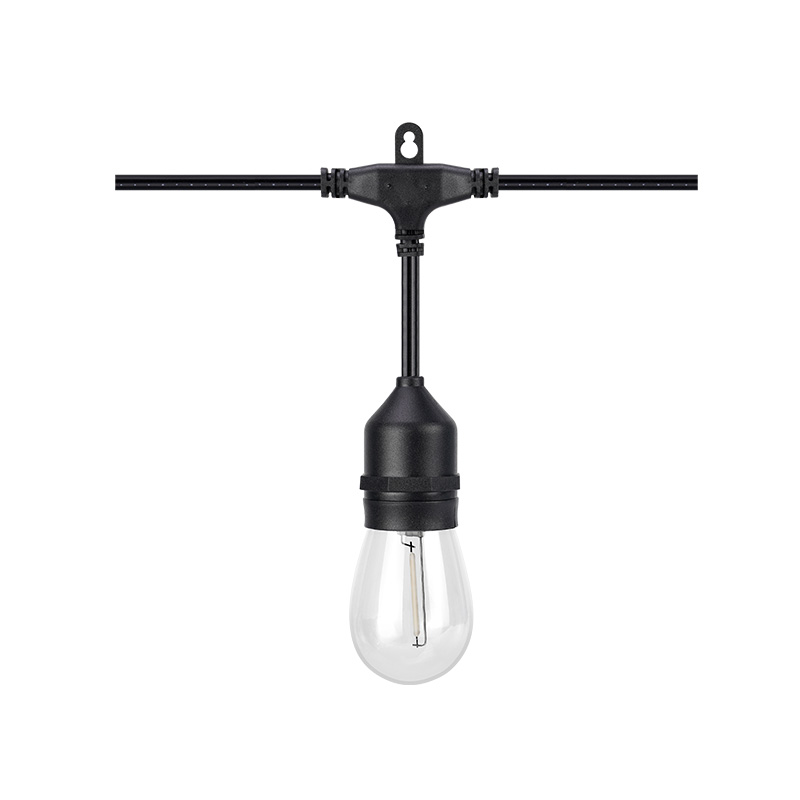
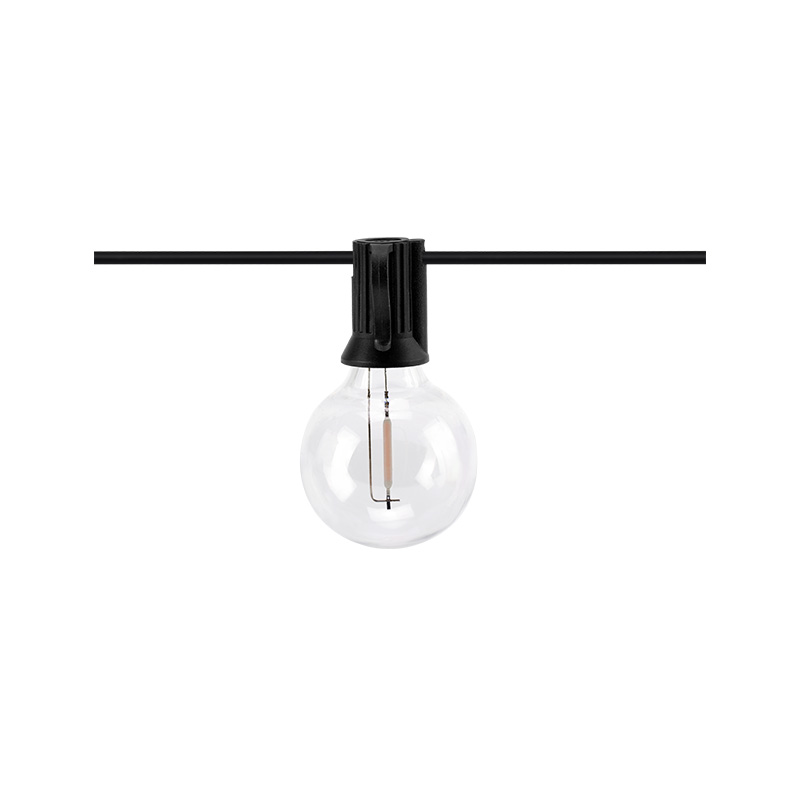
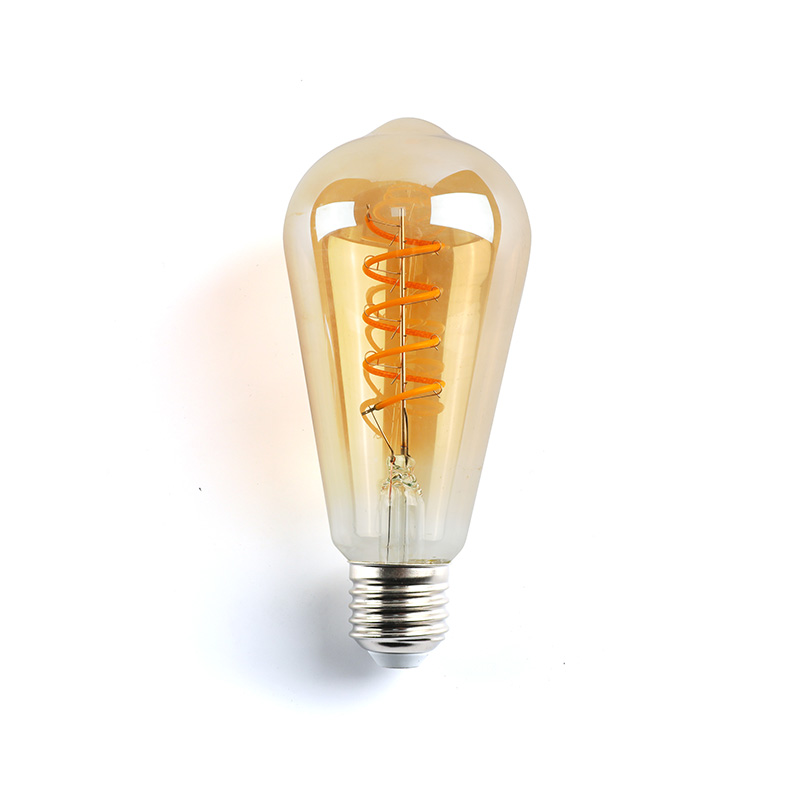
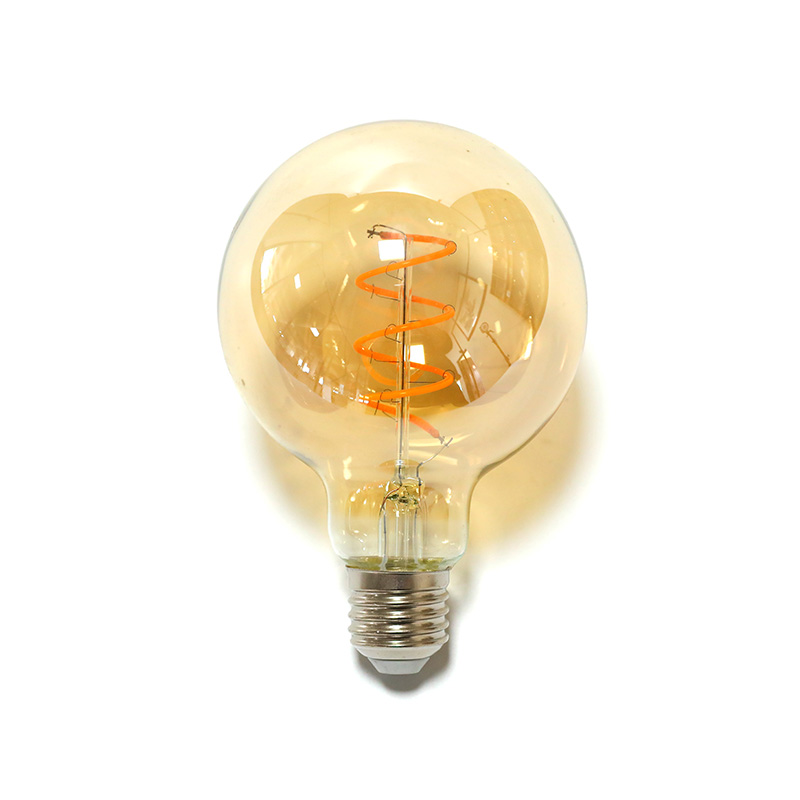
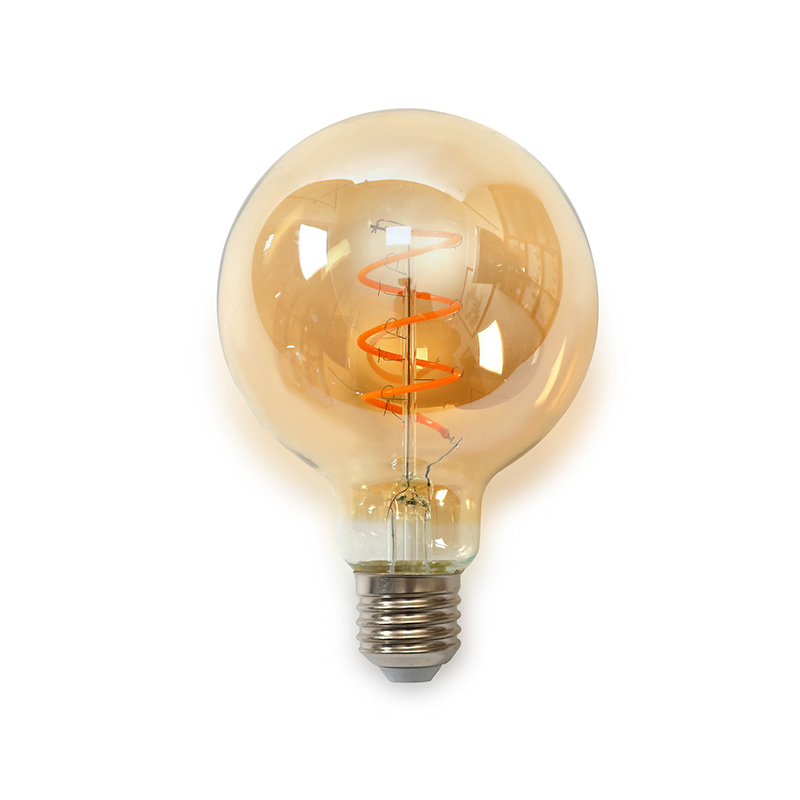
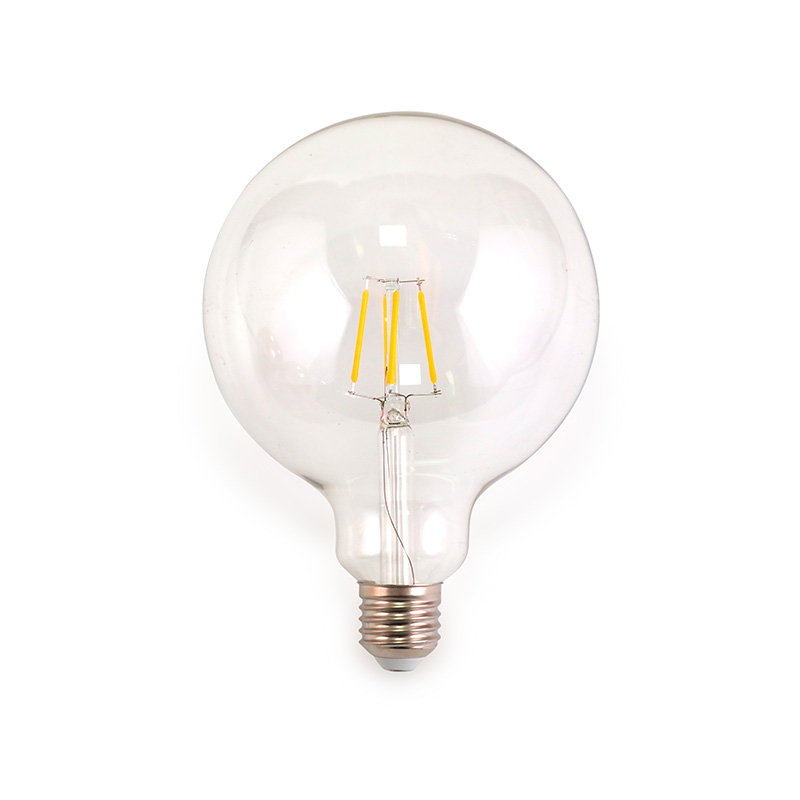
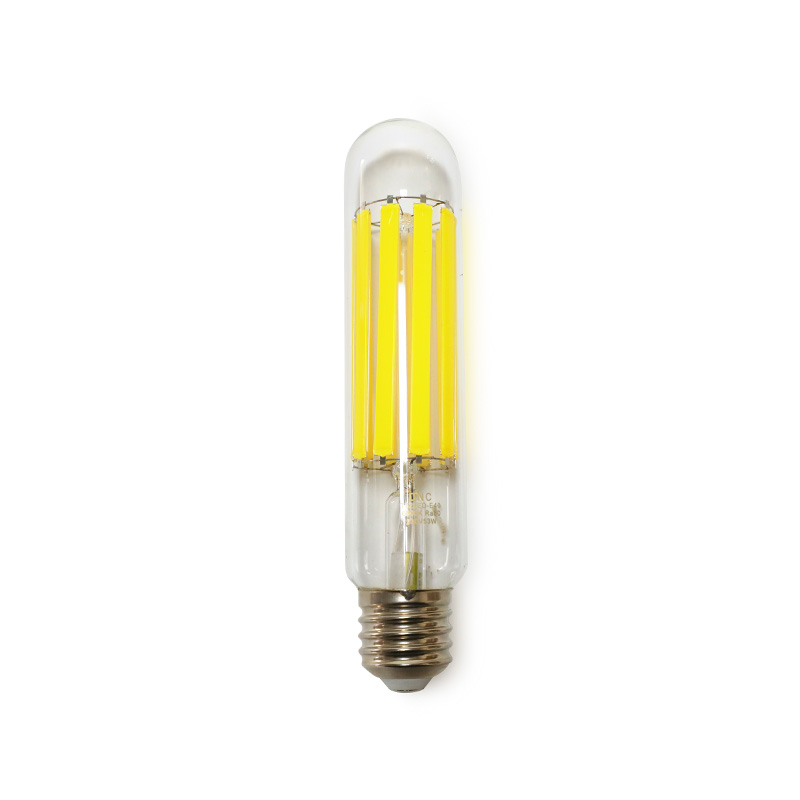
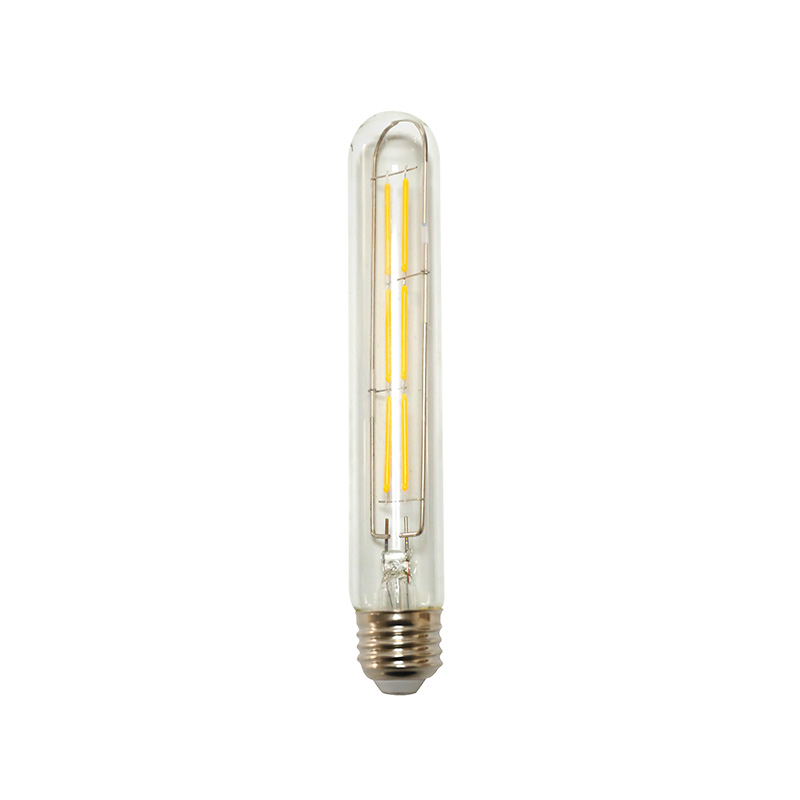
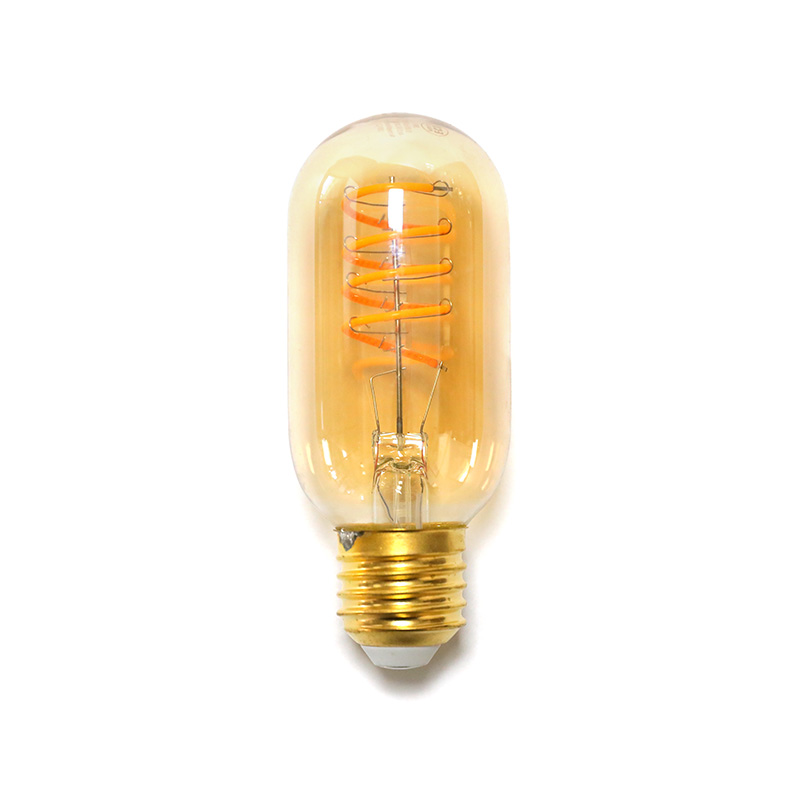
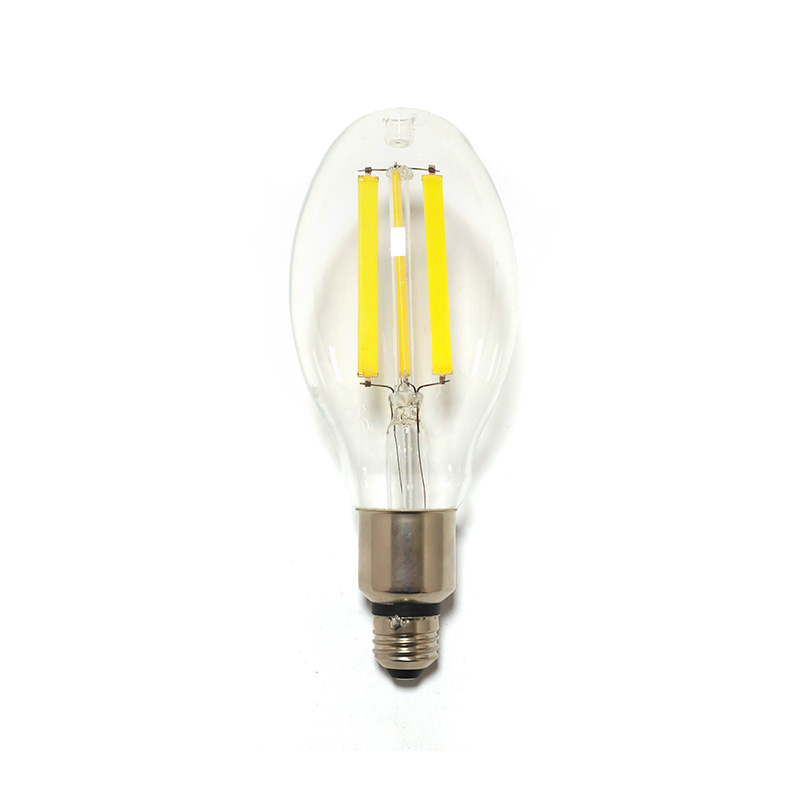
High lumen filament lamps utilize LED chips arranged in a filament pattern within a glass envelope, mimicking the omnidirectional light distribution of traditional bulbs while leveraging semiconductor efficiency. This design achieves 150 to 200 lumens per watt compared to just 15 lumens per watt for incandescent bulbs and 70 to 90 lumens per watt for standard fluorescent tubes.
The key advantage lies in thermal management. Industrial-grade filament lamps employ advanced heat dissipation materials that maintain optimal operating temperatures even in demanding environments. This extends operational lifespan to 25,000 to 50,000 hours, reducing replacement frequency and maintenance labor costs by approximately 80% compared to metal halide or high-pressure sodium alternatives.
| Lamp Type | Wattage | Lumens | Lumens per Watt | Lifespan (Hours) |
|---|---|---|---|---|
| Incandescent | 100W | 1,600 | 16 | 1,000 |
| Metal Halide | 400W | 36,000 | 90 | 15,000 |
| High Lumen Filament LED | 150W | 27,000 | 180 | 40,000 |
Calculating Real-World Financial Impact
Annual Cost Reductions in Industrial Settings
A mid-sized manufacturing facility operating 16 hours daily with 200 high-bay fixtures provides a concrete example. Replacing 400-watt metal halide lamps with 150-watt high lumen filament LEDs yields immediate measurable benefits. The power reduction of 250 watts per fixture creates annual electricity savings of $28,000 to $35,000 assuming average industrial electricity rates of $0.10 per kWh.
Additional cost factors compound these savings. Reduced heat generation lowers facility cooling loads by an estimated 15% to 20% in climate-controlled environments. Maintenance intervals extend from annual replacements to once every five years, cutting labor and lift equipment rental costs significantly. When combined, these factors typically deliver total cost of ownership reductions exceeding 60% over a ten-year operational period.
- Energy consumption drops by 60% to 75% per fixture
- HVAC operational costs decrease due to lower heat emission
- Maintenance labor requirements reduce by 80%
- Replacement part inventory needs diminish substantially
- Instant-on capability eliminates warm-up time waste
Maintaining Visual Quality While Cutting Consumption
Color Rendering and Uniformity Advantages
Industrial applications demand consistent, high-quality illumination for safety and quality control. High lumen filament lamps deliver Color Rendering Index values of 80 to 95, surpassing the 60 to 70 CRI typical of high-pressure sodium and many metal halide systems. This improved color accuracy reduces visual fatigue and enhances defect detection rates in manufacturing processes.
The 360-degree light distribution pattern of filament designs eliminates the harsh directional shadows common with panel LEDs. In warehouse racking systems, this omnidirectional quality ensures uniform illumination across vertical storage surfaces, improving picking accuracy and reducing workplace accidents. Facilities report improved safety metrics following upgrades, with incident rates dropping by 12% to 18% in areas with upgraded lighting.
Implementation Strategies for Maximum Efficiency
Smart Controls and Dimming Integration
Modern high lumen filament lamps support advanced control systems that multiply baseline energy savings. Daylight harvesting sensors automatically dim fixtures when natural light penetrates skylights or windows, yielding additional 20% to 30% savings during daytime operations. Occupancy sensors in low-traffic areas like storage zones reduce burn hours by 40% to 60% without impacting operational needs.
Dimming capabilities deserve particular attention. Unlike metal halide systems that suffer shortened lifespans when dimmed, LED filament lamps maintain rated longevity across their full dimming range. Implementing task-tuned lighting that provides maximum illumination only where needed can push total energy reductions toward the 75% threshold while maintaining worker productivity and safety standards.
- Install daylight sensors in areas with roof fenestration
- Deploy occupancy detection in intermittent-use spaces
- Implement zone-based controls for shift-based operations
- Schedule automatic dimming during non-peak production hours
- Integrate with building management systems for centralized monitoring
Selecting Specifications for Industrial Applications
Matching Output to Ceiling Height and Task Requirements
Proper specification ensures optimal performance. For ceiling heights between 20 and 35 feet typical of manufacturing floors, lamps producing 15,000 to 25,000 lumens provide adequate work surface illumination of 50 to 75 foot-candles. Higher bay applications exceeding 40 feet require high-output models delivering 30,000 lumens or more to maintain target light levels.
Color temperature selection impacts both energy use and worker alertness. Cool white options at 5000K to 5700K maximize perceived brightness and support daytime alertness, while 4000K neutral white balances energy efficiency with color accuracy for inspection tasks. Facilities operating multiple shifts should consider tunable white systems that adjust color temperature across the day to support circadian rhythms and reduce fatigue-related errors.
| Application Area | Recommended Lumens | Color Temperature | Expected Savings |
|---|---|---|---|
| Assembly Lines | 20,000 - 25,000 | 5000K | 65% |
| Warehouse Storage | 15,000 - 20,000 | 4000K | 70% |
| Loading Docks | 25,000 - 30,000 | 5000K | 60% |
| Quality Inspection | 22,000 - 28,000 | 4000K - 5000K | 55% |
Overcoming Common Implementation Concerns
Durability in Harsh Industrial Environments
Questions about filament LED durability in industrial settings are understandable given the glass construction. However, high lumen industrial variants utilize shatter-resistant coated glass and reinforced filament supports rated for vibration resistance exceeding IEC standards. Ingress protection ratings of IP65 or higher ensure reliable operation in dusty manufacturing environments and areas subject to washdown protocols.
Temperature tolerance extends from minus 20 degrees Celsius to plus 50 degrees Celsius, accommodating unheated warehouses and hot production floors. Thermal management systems prevent the lumen depreciation that plagued early LED generations, maintaining 90% of initial output at 50,000 hours of operation. This stability eliminates the gradual dimming that necessitates premature replacement of conventional industrial lighting.
Measuring and Verifying Your Savings
Establishing Baseline Metrics and Monitoring Progress
Successful energy reduction programs require measurement. Before retrofitting, conduct a lighting audit documenting current fixture counts, wattages, operating hours, and metered consumption. Post-installation monitoring should track actual energy use, maintenance tickets, and light level measurements to verify projected savings. Many facilities discover actual savings exceed initial projections by 5% to 10% due to reduced cooling loads and improved power factor.
Utility rebate programs frequently offset 30% to 50% of upgrade costs for industrial LED conversions. Prescriptive rebates offer fixed amounts per fixture replaced, while custom programs reward documented energy reductions. Combined with federal tax deductions for energy-efficient commercial building improvements, payback periods typically range from 18 to 36 months even in facilities with moderate electricity rates.
The Strategic Advantage of Immediate Action
Delaying lighting upgrades carries measurable opportunity costs. Every month of continued operation with legacy metal halide or high-pressure sodium systems represents lost savings of $2,000 to $5,000 per 100 fixtures in typical industrial settings. Supply chain lead times for high lumen filament lamps have stabilized, with most specifications available within two to four weeks.
The technology has reached maturity where early-adopter risks have dissipated. Third-generation industrial filament LEDs demonstrate field-proven reliability across millions of installed hours. For operations managers seeking immediate budget impact without capital project complexity, high lumen filament lamp retrofits offer the rare combination of rapid deployment, substantial cost reduction, and improved working conditions. The question is no longer whether these upgrades make financial sense, but how quickly organizations can capture the savings their competitors already enjoy.